

Subscribe to WHX Insights newsletter
Stay at the forefront of healthcare trends & innovations
Learn about PPB distribution licensing, product registration, KEBS PVoC requirements and compliance strategies, as Kenya marks rise in medical equipment imports.
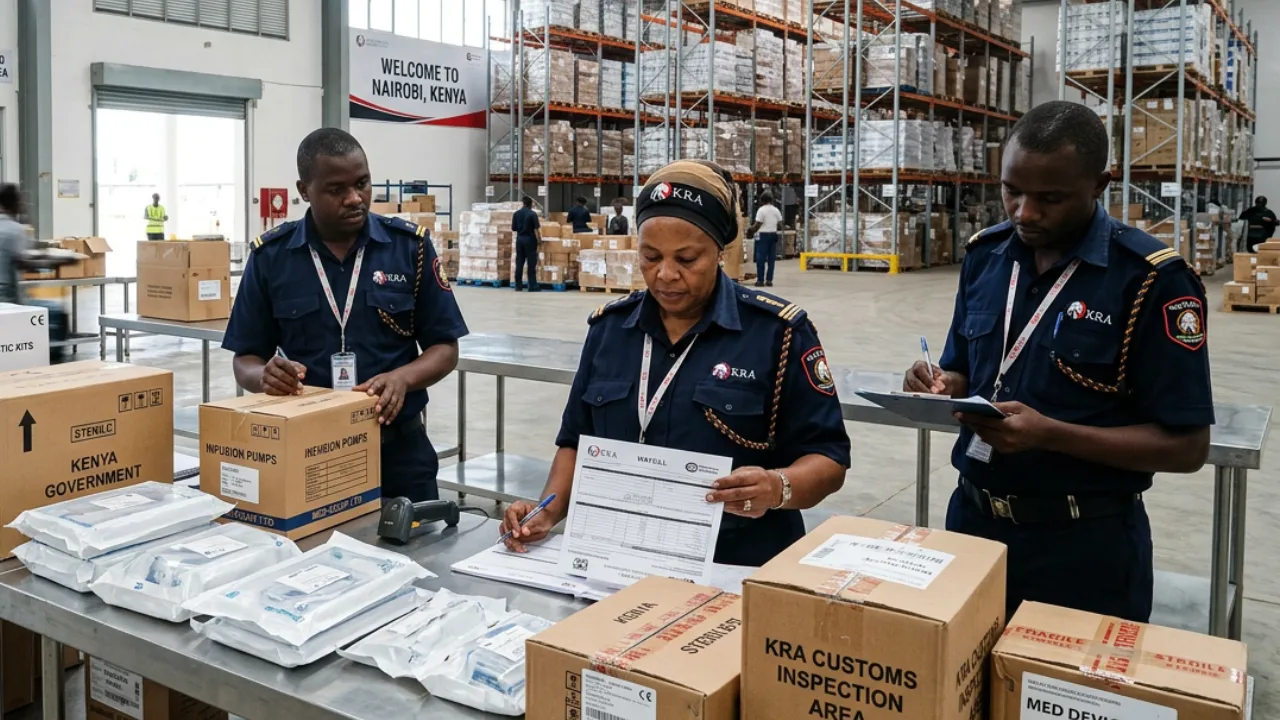
Demand for medical equipment in Kenya is climbing toward an estimated US$500 million in annual imports. But the Pharmacy and Poisons Board's (PPB) distribution licensing requirements — for importers, wholesalers, and Local Authorised Representatives (LAR) — are a distinct compliance layer that sits alongside product registration.
US$500M
ESTIMATED ANNUAL IMPORT DEMAND — nearly all clinical equipment enters Kenya through an import channel, as domestic manufacturing remains limited to basic consumables.
Kenya's medical equipment import demand is approaching an estimated US$500 million annually, driven by Universal Health Coverage rollout, county hospital upgrades, and a private hospital sector buying at international standards. Broader market estimates vary by methodology, but the trajectory is consistent — nearly all clinical equipment arrives through an import channel as domestic manufacturing remains limited to basic consumables.
What trips up many new entrants is not the demand, it is a regulatory gate that sits apart from product registration. The Pharmacy and Poisons Board (PPB) licenses importers, wholesalers, and Local Authorised Representatives (LARs) as a distinct requirement, governed by wholesale dealer and premises licensing rules and reinforced by its Good Distribution Practices (GDP) guidelines.
⚠ The half-a-gate trap: A company can hold valid registration certificates and still be unable to legally distribute in Kenya without this separate licence. Dealers building entry plans around registration alone are building around half the gate.
Import demand: Approaching an estimated US$500 million annually
Import dependency: Devices are imported almost entirely; local production limited to consumables
Growth drivers: UHC expansion, county hospital upgrades, private hospital modernisation, and EAC re-export demand
Product registration through the PPB: Devices must hold marketing authorisation, and the PPB's reliance pathway accepts prior US FDA, EU, or WHO prequalification approvals to compress review timelines.
Distribution licensing: Importers, wholesalers, and the LAR must each be individually licensed, with the LAR accountable for pharmacovigilance reporting.
Kenya Bureau of Standards (KEBS) certification: Every consignment needs a Pre-Export Verification of Conformity (PVoC) certification before it leaves origin, or it faces penalty inspection on arrival. Miss any one gate and the shipment doesn't move.
Kenya permits refurbished and used medical equipment to enter the market, provided it meets the same registration and conformity standards as new devices, a route many cost-conscious public facilities and county hospitals actively prefer.
⚠ Not a lighter lane: The risk is dealers treating refurbished stock as a lighter compliance lane. It isn't. Refurbished devices still require full PPB registration, the same distribution licensing, and PVoC certification.
The dealers winning share here are the ones who can document equipment provenance and refurbishment standards clearly enough to clear PPB review on the first pass, rather than the ones offering the lowest landed price.
Duty tax varies by HS code. Most devices fall under headings 9018 to 9022:
HS heading: 9018–9022
Duty rate: 0%, 10%, or 25%
Plus VAT: 16%
Misclassification penalty: Reclassification fees of up to KES 75,000
There is no blanket duty waiver for general medical equipment; targeted exemptions exist for specific categories, such as VAT relief on assistive devices for persons with disabilities and certain clinical trial materials, each requiring separate KRA approval.
The real optimisation lever for most dealers is procedural: correct HS classification, complete documentation, and a certificate of origin, mandatory since October 2025.
Manufacturers: Confirm that your Kenyan partner holds both PPB product registration and a separate distribution/LAR licence.
Distributors and dealers: Apply for importer and wholesale licensing in parallel with product registration, not after it. For refurbished stock, prepare provenance documentation up front.
Investors: The compliance layer is now the moat. Distributors who hold both licences ahead of competitors capture share before the market catches up.
The opportunity for medical equipment imports in Kenya has not shrunk. The compliance path into it has more layers than a quick read of the registration rules suggests.
Dealers and manufacturers who treat product registration, distribution licensing, and PVoC certification as three parallel workstreams, not a single sequence, are the ones clearing Mombasa in weeks rather than months.
Sources: MedDeviceGuide, Kenya PPB Registration Guide, 2026; PPB Kenya Guidelines, 2025–2026; KEBS PVoC Programme; KRA Common External Tariff and VAT Act exemption schedules.
No. While the Pharmacy and Poisons Board (PPB) reliance pathway accepts prior US FDA or EU CE approvals to accelerate product registration, this is only the first gate. To legally execute a Kenya medical equipment import plan, you must secure a separate PPB distribution and wholesale dealer licence. Registration without distribution licensing is only half the gate.
Because the PPB treats premises and wholesale dealer distribution licensing as a separate compliance layer that sits alongside product registration, not inside it. To prevent supply chain bottlenecks in the Kenya medical equipment market, foreign manufacturers must ensure their Local Authorised Representative (LAR) holds a distinct distribution licence before shipping.
Regulators enforce strict compliance lanes for used devices. To clear a Kenya medical equipment import shipment of refurbished items, the stock must undergo full PPB product registration, secure the same distribution licensing, and obtain a mandatory KEBS PVoC (Pre-Export Verification of Conformity) certificate at the country of origin to avoid heavy arrival penalties.
Accurate HS classification under headings 9018 to 9022 dictates whether your equipment is taxed at 0%, 10%, or 25% plus 16% VAT. Misclassification triggers steep KRA reclassification fees up to KES 75,000. True optimisation requires precise documentation and a mandatory Certificate of Origin to secure valid tax exemptions.
Kenya's medical device regulations are governed by the Pharmacy and Poisons Board (PPB), which requires both product registration and a separate distribution licence. All imported devices must also comply with KEBS PVoC certification before leaving the country of origin. A mandatory Certificate of Origin is required for all shipments.
No. Managing PPB licensing and device registration as a single sequence delays Mombasa port clearance by months. Industry leaders treat product registration, distribution licensing, and KEBS PVoC verification as three parallel workstreams, clearing customs in weeks.
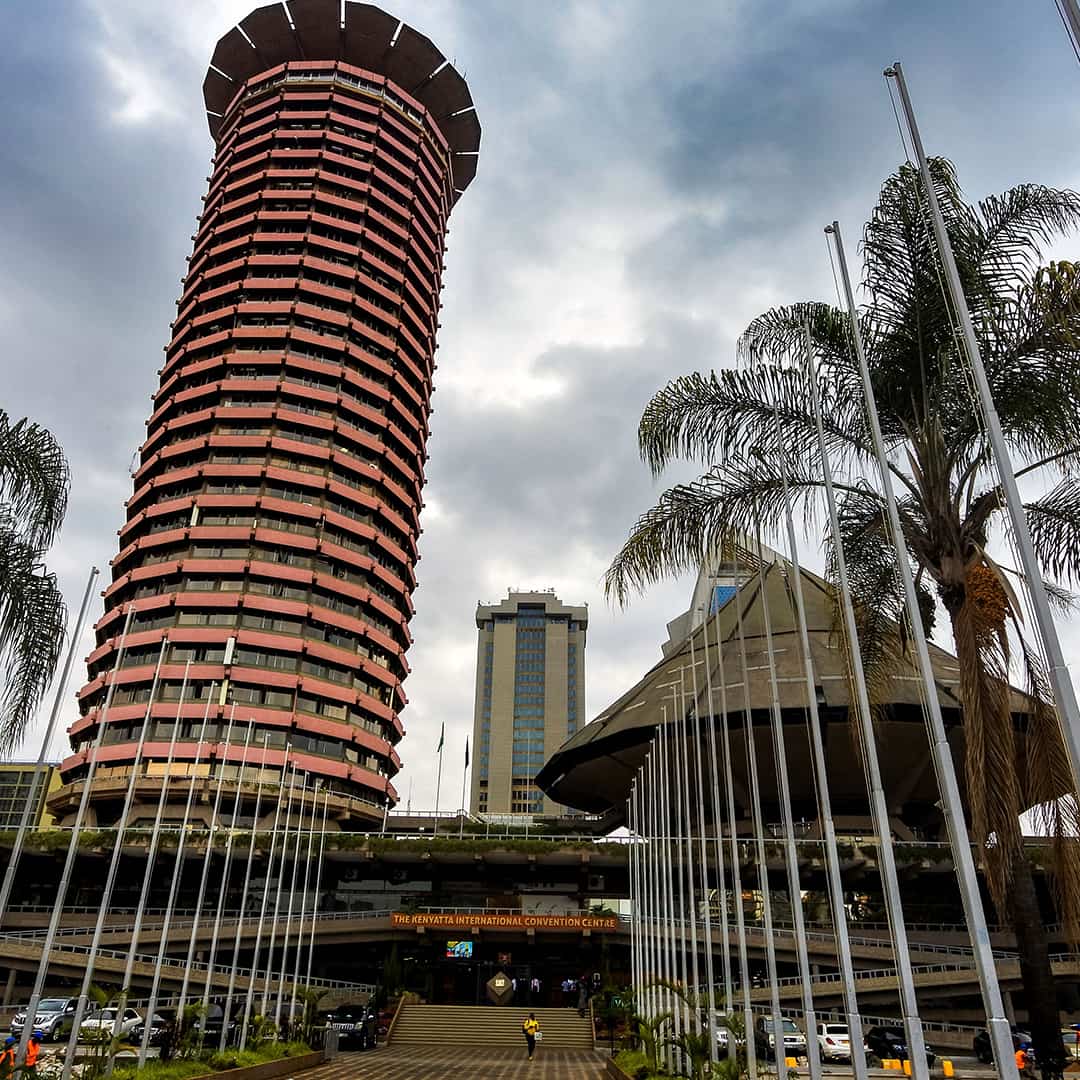
WHX Nairobi
Sep 15, 2027 TO Sep 17, 2027
|Nairobi, Kenya
Join us at WHX Nairobi—East Africa's #1 healthcare event. WHX Nairobi unites thousands of healthcare professionals under one roof to learn, trade, and network. It provides a platform to showcase healthcare innovations, attract investment, and position Kenya as a regional medical hub.