

Subscribe to WHX Insights newsletter
Stay at the forefront of healthcare trends & innovations
From PCR to AI-driven analytics, molecular testing offers unparalleled precision in detecting the genetic abnormalities.
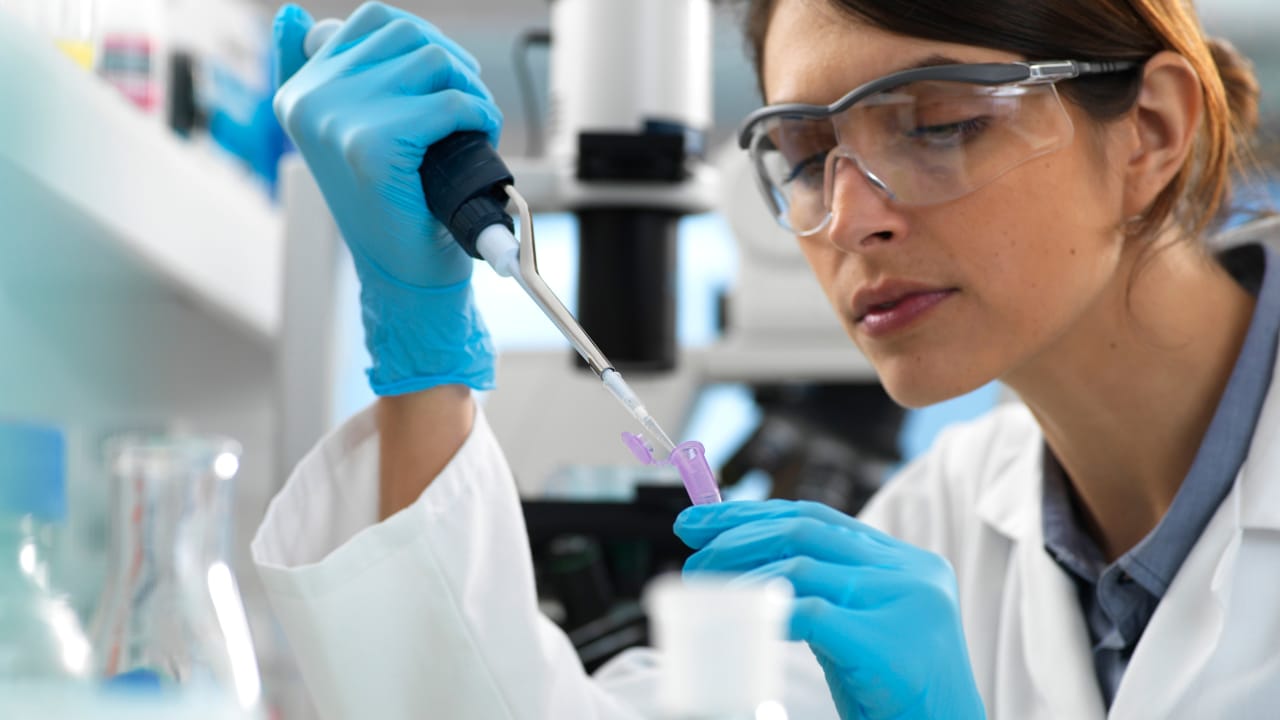
Haematologic malignancies, such as leukaemia, lymphoma, and myeloproliferative disorders, represent a diverse group of cancers originating in the blood and bone marrow. Accurate diagnosis and timely monitoring are critical, not only for initiating appropriate therapy but also for predicting prognosis and guiding personalised treatment strategies. Over the past decade, molecular testing has transformed this landscape, offering unparalleled precision in detecting the genetic abnormalities that drive these diseases.
Traditional diagnostic approaches — morphology, immunophenotyping, and cytogenetics — remain foundational. However, they often lack the sensitivity to detect minimal residual disease (MRD) or subtle genetic changes that influence treatment response. Molecular assays bridge this gap by identifying specific gene fusions, mutations, and expression profiles that define disease subtypes. For instance:
• BCR–ABL1 fusion in chronic myeloid leukaemia (CML) and some acute lymphoblastic leukaemias (ALL) is not only diagnostic but also predictive of response to tyrosine kinase inhibitors.
• PML–RARA translocation in acute promyelocytic leukaemia (APL) enables targeted therapy with all-trans retinoic acid (ATRA), dramatically improving survival.
• JAK2 V617F mutation is a hallmark of myeloproliferative neoplasms, guiding therapeutic decisions.
Current methodologies and innovations
Polymerase chain reaction (PCR) remains the workhorse for detecting known mutations and translocations. Quantitative PCR (qPCR) allows for the monitoring of disease burden, particularly in CML, where BCR–ABL1 transcript levels guide therapy adjustments.
Next-generation sequencing (NGS) has expanded our capabilities, enabling the simultaneous analysis of multiple genes and the discovery of novel mutations. NGS panels for haematologic malignancies now include genes involved in epigenetic regulation, RNA splicing, and signalling pathways, offering a comprehensive view of disease biology.
Digital PCR and droplet-based technologies further enhance sensitivity, making MRD detection possible at levels previously unattainable. This is crucial for early relapse prediction and treatment optimisation.
Molecular monitoring is now standard in many haematologic cancers. In CML, achieving and maintaining a deep molecular response correlates with long-term remission. Similarly, MRD assessment in ALL influence decisions on therapy intensification or consideration of stem cell transplantation.
The challenge lies in harmonising methodologies across laboratories to ensure consistent and reproducible results. International guidelines, such as those from the European LeukemiaNet (ELN), provide frameworks for standardisation, but effective implementation requires robust quality assurance.
Artificial intelligence (AI) is poised to revolutionise haematology. Machine learning algorithms can analyse complex genomic datasets, identify patterns, and predict outcomes with remarkable accuracy.
AI-driven platforms may soon assist in:
• Variant interpretation: Distinguishing pathogenic mutations from benign variants.
• Risk stratification: Integrating molecular, clinical, and imaging data into personalised prognostic models.
• Workflow automation: Streamlining laboratory processes, reducing turnaround times, and minimising human error.
Moreover, AI can enhance NGS analysis by accelerating data processing and improving the detection of low-frequency variants. Combined with cloud-based solutions, this will enable real-time collaboration and decision-making across global networks.
The integration of molecular diagnostics into routine haematology practice has redefined standards of care. As technologies evolve — from PCR to NGS and AI-driven analytics — the future promises even greater precision, efficiency, and personalisation. For clinicians, laboratories, and patients alike, these advances translate into improved outcomes and a new era of targeted therapy.
The journey ahead is exciting. Molecular testing is no longer merely a diagnostic tool; it is the cornerstone of modern haematology and a gateway to the future of cancer care.

World Health Expo
Jan 25, 2027 TO Jan 28, 2027
|Dubai, UAE
Join us at World Health Expo (WHX) in Dubai — where the world of healthcare meets. WHX connects the healthcare industry's leading researchers, developers, innovators, and professionals all in one place. Whether you're on the hunt for a new product or service, want to learn from world-renowned speakers, or expand your professional network, WHX in Dubai has everything you need to thrive in the Middle East's healthcare industry.