
Subscribe to WHX Insights newsletter
Stay at the forefront of healthcare trends & innovations
Technology can overhaul the operational backbone of a hospital, directly impacting safety, efficiency, and staff retention.
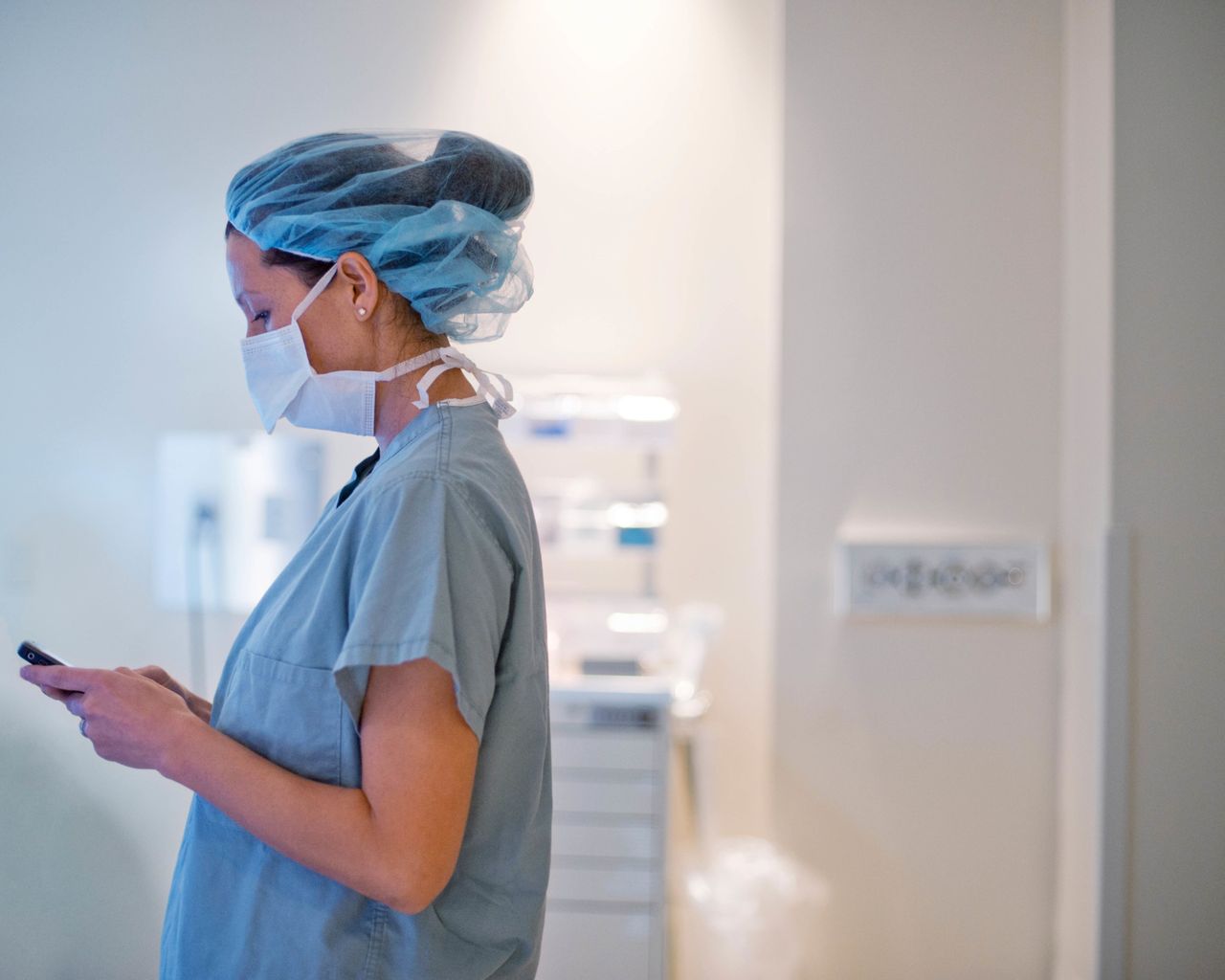
A nurse's shift can feel like a marathon. In many European hospitals, it’s not uncommon for a nurse to walk four or five miles or more during a single shift. One estimate suggests nurses walk the equivalent of an Olympic marathon every week. Much of this time is spent responding to alarms without knowing whether they are running towards a life-threatening emergency or a routine request. This constant, inefficient motion is exhausting and a symptom of a deeper crisis contributing to burnout and a staggering workforce shortage.
The World Health Organization’s (WHO) projections are stark: without immediate action, Europe will face a deficit of 4.1 million healthcare workers by 2030. While pay is a factor, reports from Eurofound and others show that challenging working conditions are a primary driver of this “great resignation” in healthcare.
The most dedicated professionals are leaving because they are overworked, underequipped, and their meaningful work is buried under a mountain of administrative tasks and inefficient processes.
The answer is not simply to hire more people; it's to empower the ones we have. It is time to replace burnout with brilliance by equipping clinicians with smarter technology.
Too many alerts from too many systems create “alarm fatigue” — a dangerous state where critical events can be missed. However, forward-thinking hospitals are already changing this dynamic.
At one leading EU university hospital, the chaotic “radio signal” of an outdated nurse call system has been replaced. Today, nurses carry intelligent mobile computing devices. When an alarm sounds, it appears on their device with real-time context. They can instantly triage the request, differentiating a critical cardiac alert from a patient's request for water.
This sophisticated system, which operates over both Wi-Fi and 4G, even escalates unanswered calls to ensure nothing is missed. The result is transformative as nurses manage their time more effectively, patient safety is enhanced, and every action feels purposeful. They walk less and have more time to care for patients.
The benefits of digital transformation extend far beyond patient alerts. Technology can overhaul the operational backbone of a hospital, directly impacting safety, efficiency, and staff retention.
1. Reclaiming time from the stockroom: Efficiency supply management is critical. As one surgical chief nurse lamented, her team spends far too much time “doing stock management, stock counting, and checking stocks” instead of delivering clinical care. Zebra’s 2024 Hospital Vision Study confirms this, finding that 77% of hospital decision-makers agree clinical staff spend too much time locating equipment, and 84% of non-clinical decision-makers say inventory management directly impacts patient safety. By investing in technologies like RFID to improve asset visibility, hospitals can return countless hours to patient care.
2. Creating a shield of safety: Personal safety is a non-negotiable element of staff well-being. With nurses in Europe 16 times more likely to experience workplace violence, hospitals can be hazardous environments. Equipping clinicians with mobile devices featuring discreet duress buttons sends a powerful message of support. A single press can summon help, providing a vital layer of security that builds confidence and trust.
3. Winning the war for talent: In a competitive market with constraint budgets, hospitals that position themselves as technologically advanced employers will have an advantage. They will attract top talent and recruit digitally literate staff capable of driving the next wave of healthcare innovation. Investing in technology is, ultimately, an investment in people.
Continuing to strain healthcare workers with outdated systems is a losing strategy. It leads to more errors, higher costs, and the loss of experienced staff.
Nurses, support staff, and clinicians deserve to work in hospitals where technology optimises workflows, lightens burdens, and enhances safety. For hospital leaders, the choice is clear: investing in the right digital solutions today will improve patient outcomes, reduce costs and, most importantly, give their best clinicians a reason to stay tomorrow.
Lorna Hopkin is Healthcare Specialist, EMEA, at Zebra Technologies

World Health Expo
Jan 25, 2027 TO Jan 28, 2027
|Dubai, UAE
Join us at World Health Expo (WHX) in Dubai — where the world of healthcare meets. WHX connects the healthcare industry's leading researchers, developers, innovators, and professionals all in one place. Whether you're on the hunt for a new product or service, want to learn from world-renowned speakers, or expand your professional network, WHX in Dubai has everything you need to thrive in the Middle East's healthcare industry.