Subscribe to WHX Insights newsletter
Stay at the forefront of healthcare trends & innovations
Technology offers unprecedented potential to bridge geographic and economic divides
In an age marked by astonishing medical breakthroughs, digital revolutions, and unprecedented scientific capability, a stark and unsettling truth persists: quality healthcare remains inaccessible to millions across the world. While innovation accelerates in advanced economies, vast populations — the poor, the displaced, the marginalised, and the vulnerable — continue to be denied timely, dignified, and life-saving care.
This contradiction compels a fundamental question that must anchor global healthcare discourse today: What is the true value of progress if it excludes those who need it the most?
At Shifa Al Jazeera Medical Group, our conviction has always been clear, unwavering, and deeply human: quality healthcare is not a privilege. It is the inherent right of every human being — everywhere.
Across continents, fragile communities bear disproportionate health burdens shaped by poverty, conflict, climate disruption, unsafe labour conditions, and forced migration. Millions delay or abandon treatment — not due to ignorance, but due to fear: fear of unaffordable costs, lost wages, or social exclusion.
For migrant workers, refugees, low-income families, and those living in famine-stricken or war-affected regions, healthcare often becomes an unreachable aspiration. These are not isolated regional failures; they are global shortcomings that demand collective accountability and courageous leadership.
Healthcare, therefore, must be understood not merely as a service or an industry, but as a moral responsibility and a social equaliser — one that preserves dignity, sustains productivity, and nurtures hope.
The foundation of Shifa Al Jazeera Medical Group was laid in the early 1990s in Jeddah, Saudi Arabia, by my father, K. T. Rabeeullah, Founder and Chairman of the Group. At a time when healthcare costs were prohibitive, especially for expatriate and low-income communities, many endured illness in silence, confined to labour camps and dependent on inadequate first aid.
Witnessing this quiet suffering, he was guided by a simple yet powerful belief: humanity must rise above caste, creed, religion, nationality, and economic status. Compassion became the cornerstone of his vision, with a steadfast focus on the underserved.
What began as a humble initiative to make healthcare affordable soon transformed healthcare-seeking behaviour across communities. Those who once feared hospital bills found care, dignity, and reassurance within Shifa centres. Trust grew organically, anchored in accessibility and uncompromised quality.
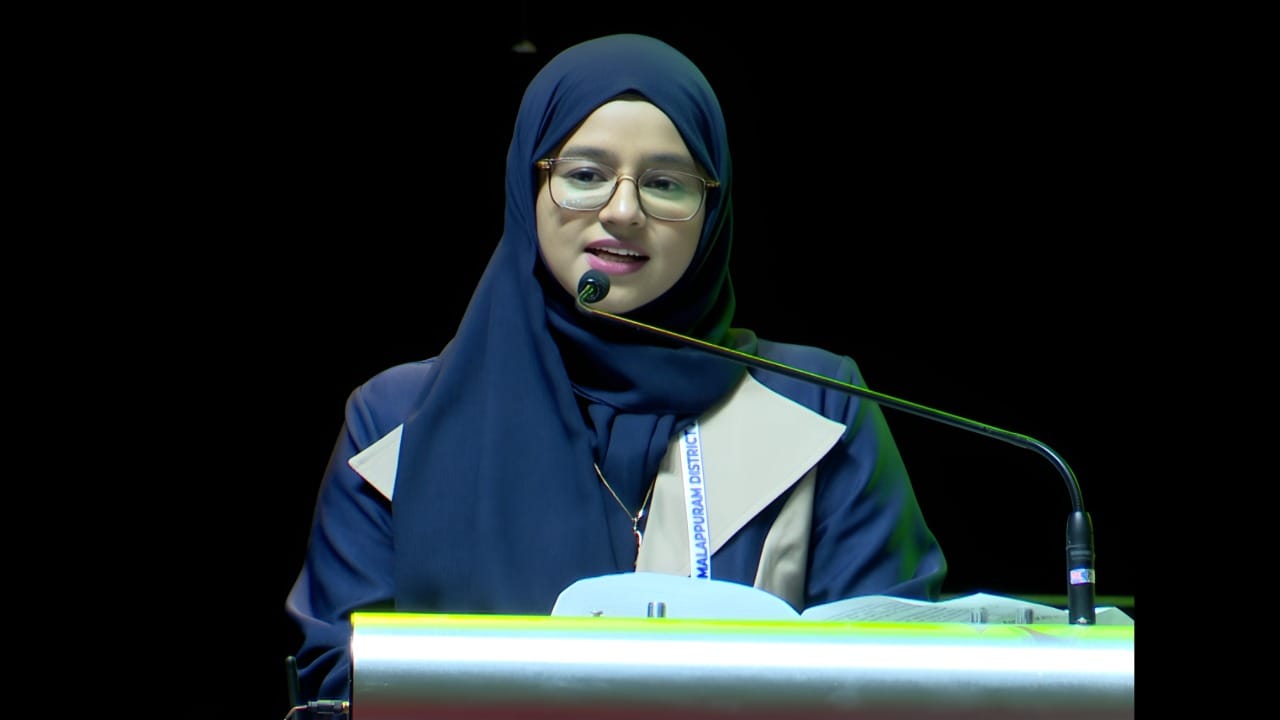
As a business graduate and a woman entrepreneur, I regard it as both an honour and a responsibility to carry forward this legacy – one shaped by empathy, ethical governance, and disciplined growth. Today, as Vice Chairperson overseeing the Group’s operations in Kuwait, I witness this vision translated into a structured, scalable impact.
Shifa Al Jazeera Medical Group currently operates three multispecialty medical centres in Kuwait, with two more set to open shortly. Each centre is designed to deliver comprehensive primary and specialty care while remaining accessible across socioeconomic segments.
Across all operations, our guiding principles remain steadfast:
Affordability without compromise on clinical excellence
Strict adherence to regulatory and quality standards
Patient-centric care rooted in dignity and trust
Over the decades, Shifa Al Jazeera Medical Group has evolved into a diversified healthcare network spanning the GCC and Africa, operating under multiple brands, including facilities in Bahrain, Kuwait, the UAE, Saudi Arabia, Qatar, and Tanzania.
In every geography we serve, the Group has been recognised as a pioneer of affordable multispecialty primary care. The Shifa model has influenced healthcare investment patterns across the region, inspiring a generation of healthcare entrepreneurs — particularly within expatriate communities.
With humility and measured confidence, we can state that a significant share of affordable healthcare facilities across the region are owned, partnered with, or inspired by the Shifa philosophy.
As World Health Expo 2026 reshapes global healthcare dialogue, established healthcare groups shoulder unprecedented responsibility. The world today confronts intersecting crises — conflict, displacement, climate change, food insecurity, and fragile health systems.
In this context, healthcare investment transcends infrastructure. It becomes social stabilisation and nation-building. Targeted investments in underserved regions can restore basic health security, enhance workforce productivity, reduce intergenerational poverty, and catalyse long-term economic recovery.
Corporate social responsibility must evolve beyond symbolism towards strategic, outcome-driven action. When CSR resources are directed towards primary care, maternal and child health, preventive screening, and rehabilitation in vulnerable regions, they do more than heal individuals — they restore resilience, opportunity, and peace.
Sustained healthcare delivery becomes the foundation upon which education, employment, and social cohesion are rebuilt.
Climate change is no longer a distant threat; it is a present healthcare emergency. Rising temperatures, environmental degradation, and extreme weather events are reshaping disease patterns and intensifying occupational health risks.
Technology, such as telemedicine, AI-assisted diagnostics, portable screening tools, and data-driven risk mapping, offers unprecedented potential to bridge geographic and economic divides. Yet innovation must remain human-centred, ethical, and inclusive, ensuring that technology expands access rather than erecting new barriers.
Healthcare is more than an industry. It is a reflection of our collective conscience. When access to care is determined by income, geography, or circumstance, we fail not only the vulnerable — we fail humanity itself.
The world does not lack medical expertise or innovation. What it lacks is equitable access guided by compassionate leadership.
Let us remember: “The true measure of a healthcare system is not how advanced it is for the strongest among us, but how accessible it is to the weakest.”
When healthcare reaches the margins, it strengthens the centre. When it serves the vulnerable, it uplifts humanity.
Only then can we truly say — we have built healthcare for all.
Naziha Mohammed Rabeeh is Vice Chairperson, Shifa Al Jazeera Medical Group. She can be reached out on [email protected].
World Health Expo
Jan 25, 2027 TO Jan 28, 2027
|Dubai, UAE
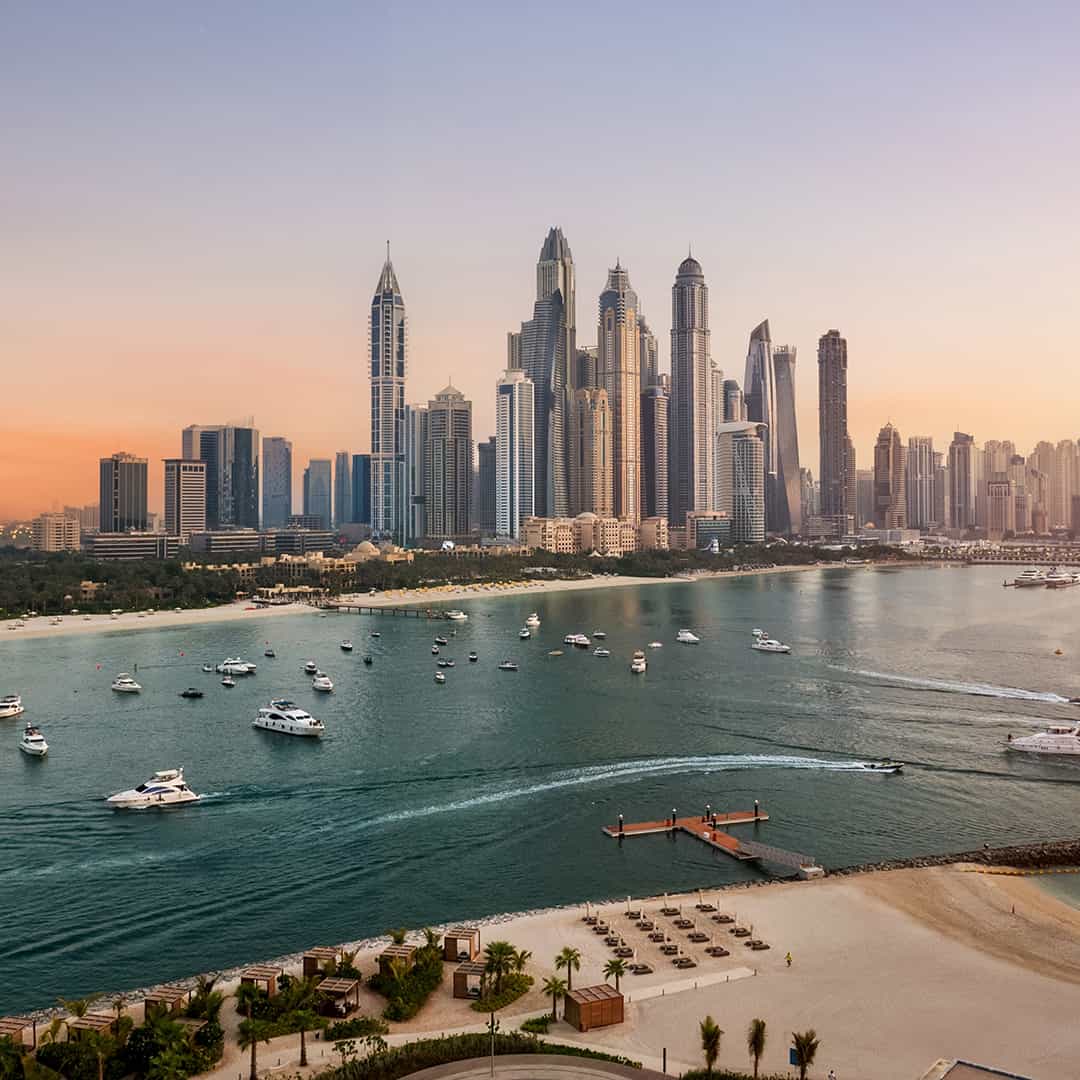
Join us at World Health Expo (WHX) in Dubai — where the world of healthcare meets. WHX connects the healthcare industry's leading researchers, developers, innovators, and professionals all in one place. Whether you're on the hunt for a new product or service, want to learn from world-renowned speakers, or expand your professional network, WHX in Dubai has everything you need to thrive in the Middle East's healthcare industry.