Subscribe to WHX Insights newsletter
Stay at the forefront of healthcare trends & innovations
WHX Leaders is a new leadership platform, which convened governments, global health bodies and industry chiefs to discuss the new age of health intelligence.
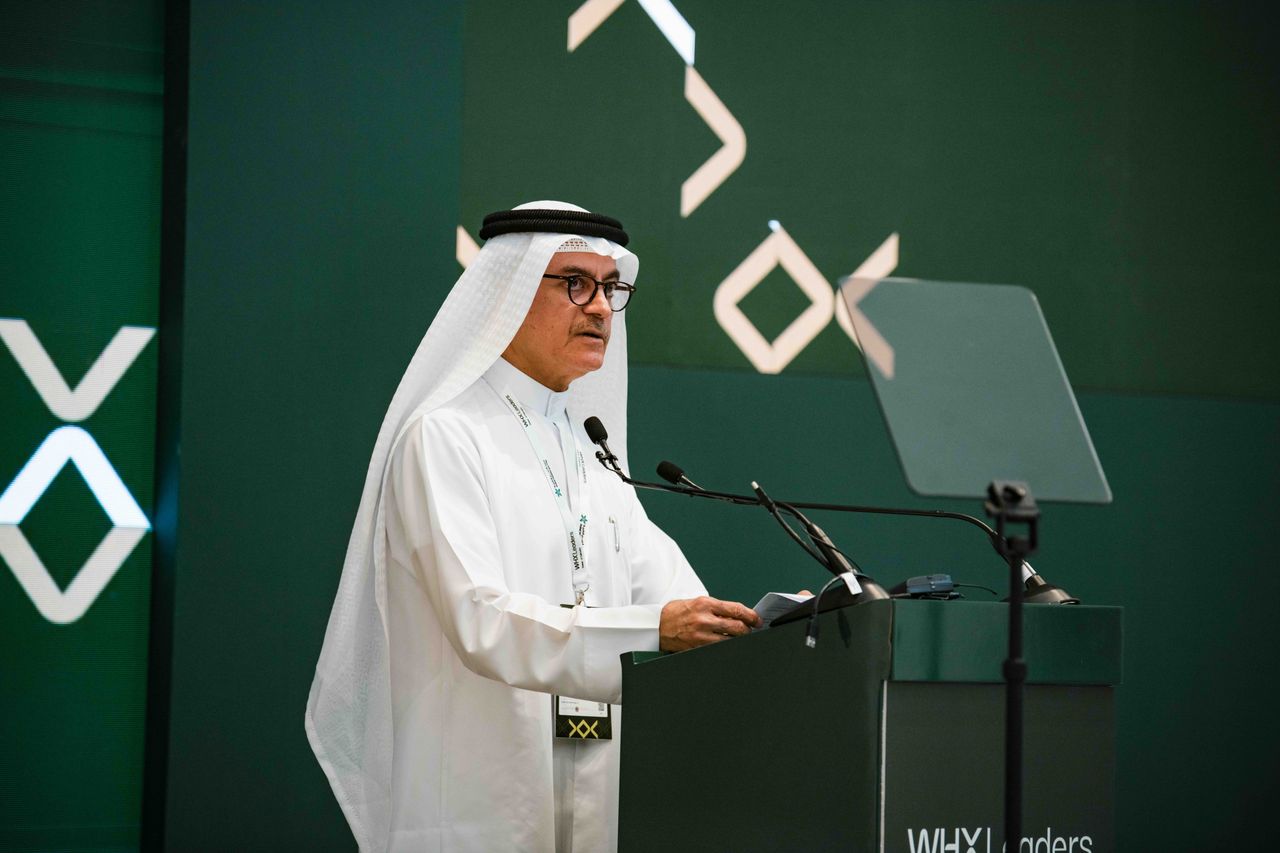
The debut edition of WHX Leaders opened in Dubai on Sunday, positioning the UAE at the centre of global conversations on how healthcare systems must evolve in the age of artificial intelligence, genomics and data-driven prevention.
Inaugurated by UAE Ministry of Health and Prevention Assistant Undersecretary for the Health Regulations Sector, Dr Amin Hussain Al Amiri, the invitation-only forum brought together senior government officials, health system leaders, technology innovators and investors to examine how healthcare can be redesigned for long-term resilience and equity.
Held under the theme, ‘Leading the New Age of Health Intelligence’, the opening sessions highlighted a shift away from reactive, treatment-heavy models towards systems that anticipate risk, prevent disease and personalise care at scale.
“The United Arab Emirates is moving decisively from a reactive, treatment-focused healthcare model to one that is predictive, preventive and personalised, powered by artificial intelligence, genomics and data,” said Dr Al Amiri.
He described the country’s ambition to act as a proving ground for health innovation, where new models can be tested, refined and scaled before being shared internationally.
“The UAE is committed to serving as a living laboratory for health innovation, setting global benchmarks for equitable, high-quality and sustainable care,” he told ministers, business leaders and policymakers attending the inaugural gathering.
Dr Al Amiri pointed to flagship national initiatives underpinning this strategy, including the UAE National Genome Programme, which one of the largest population genomics efforts globally, and Riayati, the National Unified Medical Record, which integrates patient data into a single digital health platform to support evidence-based decision-making and personalised care. He also highlighted the National Health and Nutrition Survey, now embedded into policymaking to strengthen prevention, preparedness and population health planning.
The emphasis on governance and responsible deployment of technology was echoed by World Health Organization Director-General Dr Tedros Adhanom Ghebreyesus, too, who warned that artificial intelligence, while transformative, must be implemented with care.
“Artificial intelligence holds huge potential to transform health systems and expand access to essential services, but it also carries risks that countries must understand and navigate,” he said.
Dr Tedros underlined the need for strong public leadership, trusted data and sustained investment, alongside cross-border cooperation. He outlined the WHO’s work on ethical guidance, regulatory harmonisation and capacity-building, including global initiatives on AI governance, open-source surveillance analytics and digital literacy, coordinated through the WHO Hub for Pandemic and Epidemic Intelligence.
A systems-level perspective was reinforced by Dimitris Moulavasilis, Group CEO of M42, who reflected on how genomics and AI are already reshaping healthcare delivery in the UAE. “For decades, healthcare has been built around treating illness rather than preserving health,” he said. “Genomics and artificial intelligence together allow us to move from reactive to proactive care, from late intervention to early action, and from treatment to true prevention.”
He described genomics as a foundational capability for future health systems, enabling risks to be identified years, even decades, before disease manifests. “Sequence once, use for life is a new paradigm of lifelong health intelligence,” he said.
Moulavasilis argued that the UAE’s prevention-first environment offers lessons beyond its borders, particularly for lower- and middle-income countries grappling with limited data infrastructure and late-stage disease burden.
“For countries in the Global South, genomics is not a luxury, it is a way to leapfrog legacy systems and build models that are resilient, inclusive and sustainable,” he said.
Held under the patronage of the Ministry of Health and Prevention, the inaugural WHX Leaders edition reflected the UAE’s broader strategy of convening public and private stakeholders to shape future-ready healthcare systems.
Attendees included industry leaders, namely Shaista Asif, Group CEO, Pure Health, UAE, H.E. Dr. Saleh Mahdi Muttalib Al-Hasnawi, Minister of Health, Iraq, Daniel Kraft, Founder and CEO, NextMed Health, US, Ricardo Baptista Leite, CEO, HealthAI, The Global Agency for Responsible AI, Switzerland, H.E. Dr. Saman Albarzingi, Minister of Health, The Kurdistan Regional Government (KRG), Dr Sania Nishtar, CEO, GAVI, The Vaccine Alliance, Maneesh Goyal, Chief Operating Officer, MayoClinic, US, Sameh ElFangary, Chairman, The Pharmaceutical Research & Manufacturer’s Association Gulf (PHRMAG), President, GCC & Pakistan, AstraZeneca, UAE, among many others.

World Health Expo
Jan 25, 2027 TO Jan 28, 2027
|Dubai, UAE
Join us at World Health Expo (WHX) in Dubai — where the world of healthcare meets. WHX connects the healthcare industry's leading researchers, developers, innovators, and professionals all in one place. Whether you're on the hunt for a new product or service, want to learn from world-renowned speakers, or expand your professional network, WHX in Dubai has everything you need to thrive in the Middle East's healthcare industry.