Subscribe to WHX Insights newsletter
Stay at the forefront of healthcare trends & innovations
WHX brings healthcare leaders together to connect, share insights, and build partnerships. Through interviews with industry pioneers, we spotlight visionaries shaping tomorrow's healthcare, and explore market trends, future horizons, and innovations.
Interview with Stefan Dräger, Chief Executive Officer, Drägerwerk.
December 25, 2025
.png?width=1280&auto=webp&quality=80&disable=upscale "Stefan Dräger, Chief Executive Officer, Drägerwerk")
Stefan Dräger has been the Chairman of the Executive Board of Drägerwerk Verwaltungs AG since 2005 and represents the fifth generation within the family company. He assumed his first role in the company in 1992 and has occupied various positions since. He started his career as a consultant engineer for Fichtner, a company from Stuttgart, after taking a combined study program at the Baden-Wuerttemberg Cooperative State University Stuttgart and graduating as an engineer. Stefan Dräger has three children. His goal is to pass over the company to his successors in an even better condition than when he took it over.
1.Give us an overview of your organisation. What are your key activities and strategic focus within the healthcare sector, particularly across the GCC and MENA region?
The family-run company was founded in Lübeck (Germany) in 1889. Five generations have led the company so far and managed to build a successful brand based on innovative, responsible, and sustainable action. Today, Dräger has evolved into a publicly traded, worldwide group. We drive a strong value-driven corporate culture and a commitment to outstanding quality. ›Technology for Life‹ is our guiding philosophy. Our products and services support, protect and save lives. We serve around 30 different markets and industries, where the healthcare sector is the single most important. And we explicitly serve all people around the world, with more than 16,000 employees worldwide in around 50 countries with our own sales and service companies where our customers are. The Middle East as well as the North African (MENA) region are among the fastest growing and highly innovative markets and are increasingly important for us, not just for our business, but even more for research and development collaborations with some top institutions in this area.
2. What emerging trends and critical challenges do you believe are most significantly influencing the industry's trajectory in this region?
The market for medical technology developed positively in the Middle East, and Africa region last year. In the Gulf region, technological progress and increasing digitalization were the main contributors to this development.As living standards rise in emerging markets and industrialized economies alike, health is increasingly becoming a key feature of a “good life”. Demand for high-quality medical care, whether at home or in hospitals, is increasing accordingly.And in these countries, as in most parts of the world, the shortage of caregivers is a challenge. And an opportunity for technology, which is our passion, to employ it for the benefit of life.
3. What is your strategic outlook for the healthcare sector over the next decade? How do you anticipate the industry will evolve?
Connected care opens new ways for healthcare, particularly in terms of usability and data integration, on the way to assisted therapy and automation. Last but not least, the growing availability of data is making information security more critical than ever, especially in clinical environments.
4. What role does innovation play in your organisation's strategic framework? Please elaborate on your R&D initiatives and share insights into any significant projects currently in development or recently launched.
We spend over 10% of our revenue for R&D and apply for approx. 200 new patents per year. For us, innovation means developing technological solutions that deliver both clinical and economic value. For this purpose, we are working for quite some while with heavy investment on technology that provides interoperability of medical devices of different brands across the hospital, including acute care.
5. How is your organisation integrating sustainability principles into your healthcare operations? If any, what specific initiatives have you implemented to minimise environmental impact and advance sustainable healthcare practices?
Sustainability is deeply rooted in the DNA of our corporate personality, otherwise we would no longer be around, after 136 years. This includes that we care for our resources, our people and our environment, where we operate. In the operating theatre, the reduction of volatile aesthetic agents is a great concern. Our technology of low flow aesthesia helps to minimize the footprint, in particular when combined with our Smart Pilot. And both contribute as well to a better outcome, for patient benefit and hospital economic wellbeing. Our motivation is to make the world a little bit better every day. For a better tomorrow.
6.What innovations or solutions is your organisation planning to present at WHX Dubai 2026? Are there any particular offerings you are especially excited to showcase and experience yourself?
We are delighted to present our latest innovations in the field of connected healthcare at WHX Dubai 2026. Under the motto 'Let's connect for smarter care', we will show how our solutions aim to optimize collaboration in healthcare and improve the quality of patient care through smart, connected solutions.
7. Is there anything else you would like to add?
Being present at WHX Dubai allows us to strengthen our network with key opinion leaders and reaffirm our commitment to enhancing patient outcomes and healthcare sustainability across the region. WHX Dubai has a reputation for highlighting trends and setting standards in the healthcare sector, not only in the region but beyond, on a global scale. This makes it an ideal environment for meaningful exchanges and partnerships that propel our industry forward, and we are thrilled to participate this year again.
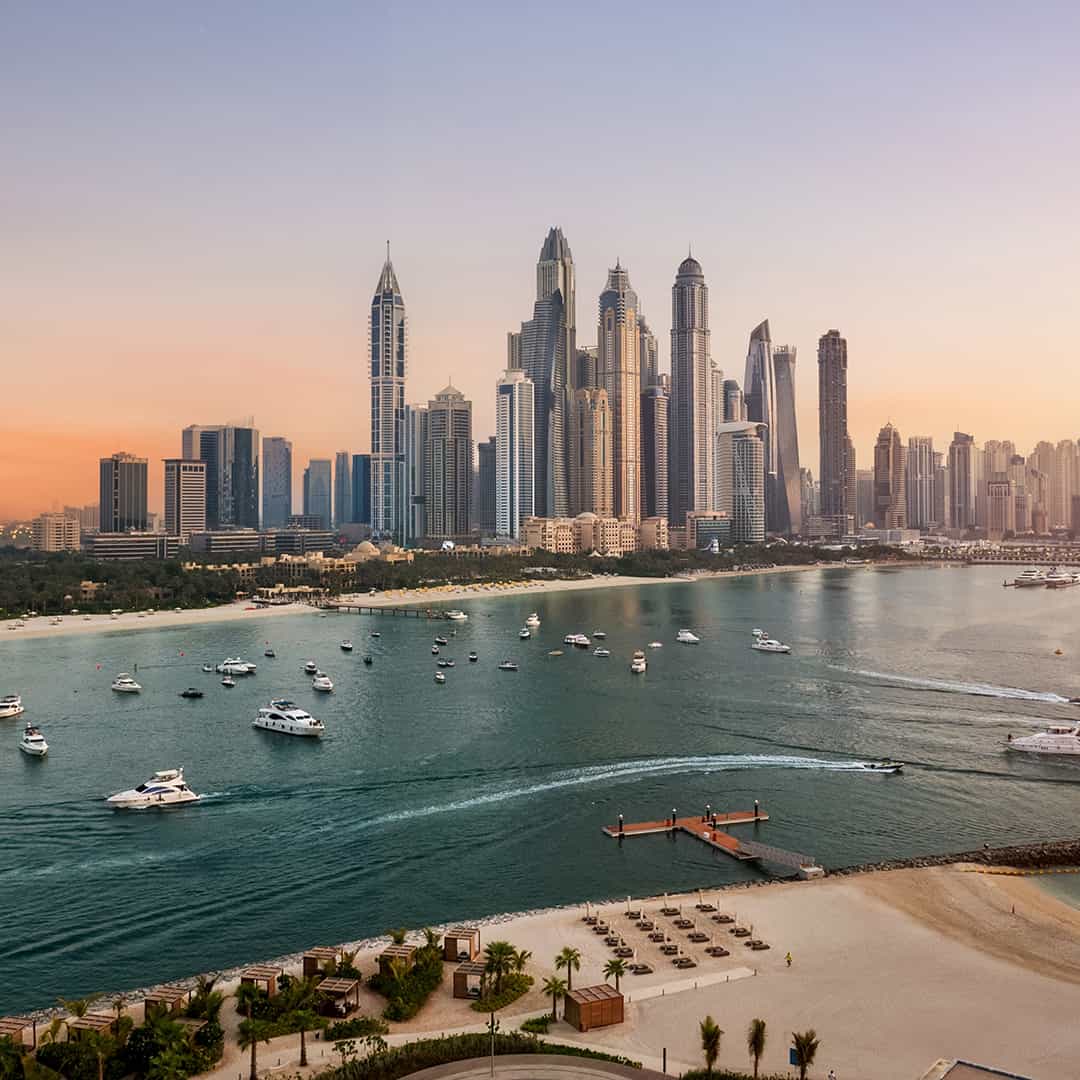
World Health Expo
Jan 25, 2027 TO Jan 28, 2027
|Dubai, UAE
Join us at World Health Expo (WHX) in Dubai — where the world of healthcare meets. WHX connects the healthcare industry's leading researchers, developers, innovators, and professionals all in one place. Whether you're on the hunt for a new product or service, want to learn from world-renowned speakers, or expand your professional network, WHX in Dubai has everything you need to thrive in the Middle East's healthcare industry.