

Subscribe to WHX Insights newsletter
Stay at the forefront of healthcare trends & innovations
Digital tools are taking healthcare beyond the clinic
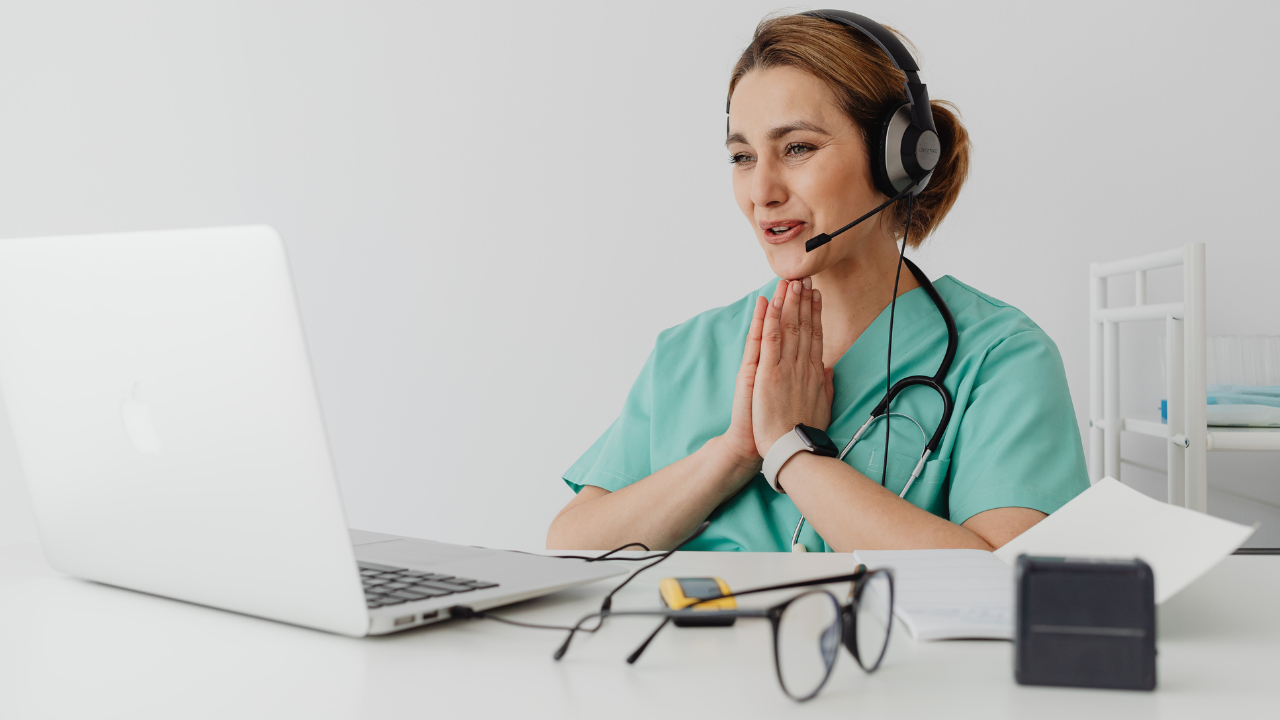
Over the past decade, home healthcare in the UAE has evolved from a niche service into a critical component of the nation’s healthcare ecosystem. What was once regarded primarily as a matter of convenience is now emerging as a pillar of patient-centred care — blending medical expertise, compassion and technology to support patients where they feel most comfortable — in their homes.
As the UAE’s population continues to age and the prevalence of chronic diseases rises, the demand for quality home-based care is expected to grow exponentially. Yet beyond meeting demand, the next phase of home healthcare will be defined by how effectively the sector integrates digital innovation, workforce development, and regulatory alignment to deliver care that is both efficient and empathetic.
Technology as the enabler
The digital transformation of healthcare has opened new frontiers for home-based services. Remote monitoring devices, telehealth consultations and AI-driven diagnostics now allow healthcare providers to extend medical expertise beyond traditional clinical settings.
Wearable technologies, for instance, can track vital signs in real time, enabling clinicians to intervene early, often a patient’s condition deteriorates. These data-driven insights not only improve clinical outcomes but also allow care plans to be personalised to each individual’s needs.
However, technology alone is not the solution. It is the integration of innovation with human compassion that truly defines effective home healthcare. While artificial intelligence and automation can enhance efficiency, the human touch remains irreplaceable — particularly for elderly and long-term care patients, for whom emotional connection is as important as clinical support.
The need for a skilled, compassionate workforce
Home healthcare requires a unique skill set, one that combines clinical competence with empathy, patience and adaptability. Across the UAE, home healthcare providers are investing heavily in nurse training, cultural sensitivity and patient communication, ensuring that caregivers are not only professionals but also trusted companions.
Nevertheless, workforce readiness remains a challenge across the region. Ensuring adequate staffing levels, continuous upskilling and alignment with local licensing requirements will be essential to maintaining quality as demand increases. Looking ahead, policy frameworks could focus on creating structured career pathways for home healthcare professionals, positioning the sector as an aspirational and recognised segment of the medical profession.
Policy and regulation: A framework for growth
The UAE’s health authorities have already made significant strides in regulating and supporting the home healthcare sector. Unified standards, licensing procedures and patient-safety frameworks have helped build trust in this expanding domain.
As the sector matures, further harmonisation of regulations across emirates, clarity around reimbursement models and robust guidelines for technology use, particularly data protection in remote monitoring, will play a pivotal role in enabling sustainable growth.
Patient-centric, community-based models
The next phase of home healthcare in the UAE represents a shift from service delivery to holistic well-being.
Rather than viewing home care solely as post-hospital support, the model is evolving towards proactive health management — helping individuals prevent complications, manage chronic conditions and maintain independence for longer.
Community engagement will also be a cornerstone of this evolution. Collaboration between healthcare providers, insurers and policymakers can raise public awareness of the benefits of home-based care, encouraging earlier adoption and stronger preventive health behaviours.
Looking ahead
The future of home healthcare in the UAE is promising, but realising its full potential will require sustained collaboration between technology innovators, caregivers, policymakers and healthcare providers.
The goal should not only be to make care more accessible, but also more connected, personalised and dignified.
The out-of-hospital revolution: Bringing care home
The healthcare landscape is undergoing a profound transformation, shifting from traditional hospital-based models to out-of-hospital care that prioritise patient-centred treatment in the comfort of people’s own homes. This shift is driven by the need to improve efficiency, enhance patient outcomes and build resilience amid growing healthcare demands.
As we move towards an era of smart healthcare ecosystems, home healthcare stands at the intersection of compassion and innovation, proving that the future of medicine lies not only in hospitals or clinics, but also in the comfort of our homes.
Satheesh Kumar is the Executive Director at Ruaa Home Healthcare LLC

World Health Expo
Jan 25, 2027 TO Jan 28, 2027
|Dubai, UAE
Join us at World Health Expo (WHX) in Dubai — where the world of healthcare meets. WHX connects the healthcare industry's leading researchers, developers, innovators, and professionals all in one place. Whether you're on the hunt for a new product or service, want to learn from world-renowned speakers, or expand your professional network, WHX in Dubai has everything you need to thrive in the Middle East's healthcare industry.