
Subscribe to WHX Insights newsletter
Stay at the forefront of healthcare trends & innovations
Shaping the future where medicine meets engineering
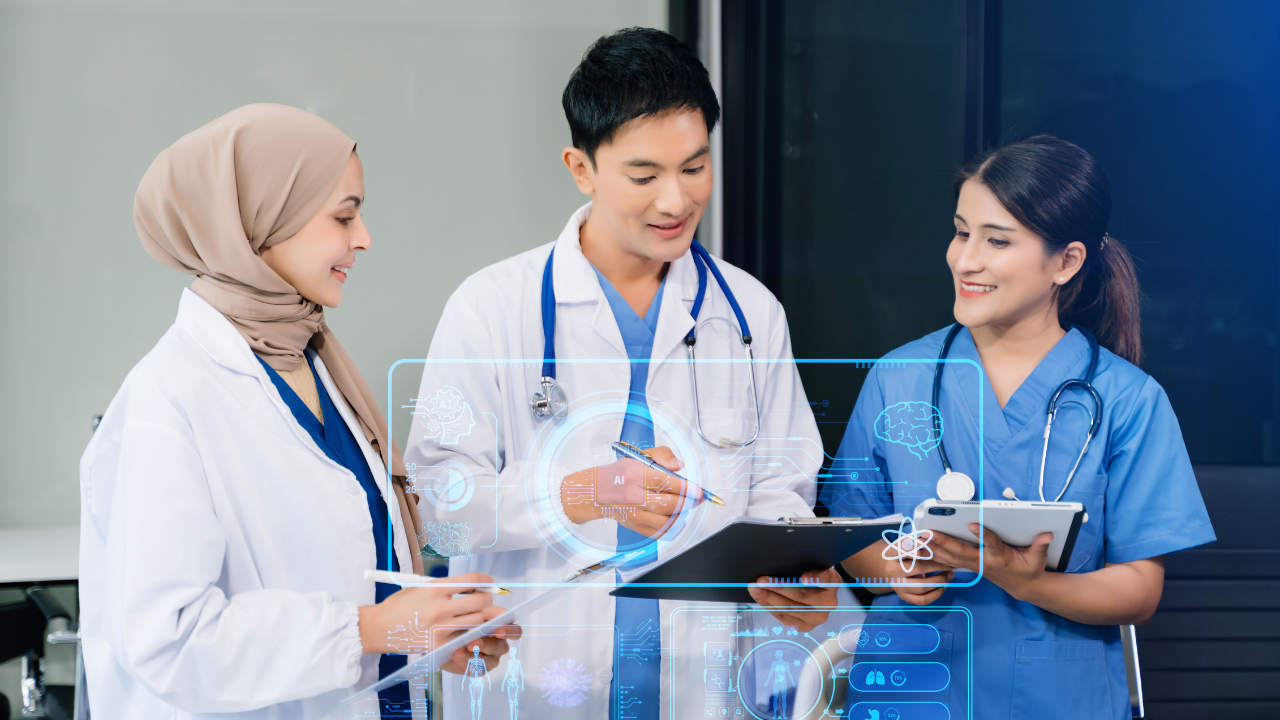
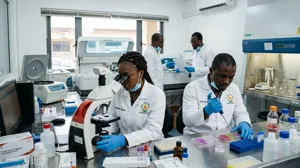
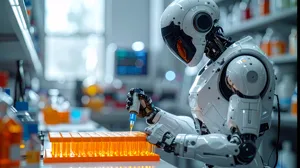
Rapid advancements in artificial intelligence (AI) have ushered in a new era of automation that is reshaping healthcare systems worldwide. AI’s capacity to analyse data, predict outcomes, and streamline administrative processes has been recognised as a crucial tool in reducing the burden of excessive workloads that healthcare providers face.
In clinical environments where burnout and psychological fatigue are increasingly prevalent, AI has been positioned as a technological ally capable of transforming both efficiency and accuracy.
The concept of the AI-powered provider, one who leverages intelligent systems to make faster, more precise decisions, is no longer theoretical. A recent study conducted by researchers from Stanford University found that integrating AI in training novice users of Point-of-Care Ultrasound (POCUS) results in faster acquisition times and higher image quality scores. It represents a future in which clinical excellence can be achieved with less effort and fewer errors.
Despite the impressive progress in AI technology, adoption within healthcare institutions remains slow. The “Clinician of the Future” survey, conducted by Elsevier in 2025, found that only 16% of clinicians currently use AI tools to help make clinical decisions. This disparity underscores a widening gap between the rapid pace of AI innovation in the technology sector and its actual application in clinical settings.
Several challenges have been identified that hinder the adoption of AI in clinical settings, such as data privacy, limited trust in “black-box” algorithms, ethical and liability uncertainties, and the lack of standardisedworkflows and clinician training. Consequently, healthcare systems risk falling behind, unable to capitalise fully on AI’s transformative promise.
To bridge this divide, the transformation must begin in medical education. Traditional training, which emphasises guidelines and manual procedures, is increasingly inadequate in preparing future clinicians for the digital healthcare environment. A paradigm shift is required, one that equips physicians not only with clinical expertise but also with digital literacy and an understanding of how AI “works”, as well as its potential to enhance clinical reasoning and workflow efficiency. Without this foundational knowledge, even the most advanced AI tools may remain underutilised or misapplied.
The reimagining of medical education must emphasise adaptability, interdisciplinary collaboration, and continuous learning. Future physicians will need to understand data analytics, algorithmic bias, and the ethical frameworks surrounding digital decision-making. The healthcare workforce of tomorrow must be resilient, capable of adapting to technological disruptions while maintaining empathy and patient-centred care.
For effective integration, collaboration between medicine and engineering must be fostered from the earliest stages of professional education. Medical students and AI engineers may soon share classrooms, learning to speak a common language of innovation and clinical application. Such collaboration will allow each group to understand the other’s challenges and limitations, leading to AI tools designed with greater clinical relevance and usability.
By combining medical intuition with computational logic, a new generation of professionals can emerge, who are capable of designing, implementing, and supervising AI systems responsibly. This shift will redefine what it means to be a healthcare professional. The emphasis will move from formal qualifications to skill-based competence, where the ability to perform complex, technology-assisted tasks becomes a key determinant of professional success.
The integration of AI into healthcare is no longer optional; it is inevitable. This does not suggest replacing medical judgment with machine output; rather, it highlights the necessity of blending human insight with algorithmic precision. The readiness of the medical community to embrace this change will define how effectively healthcare evolves in the coming decade. Medical schools and medical residency programmes must now mandate AI literacy, forge data science partnerships, and develop accreditation frameworks for AI-driven learning.
Our ongoing collaboration in Abu Dhabi stands as an inspiring example of this transformation in action. By uniting clinicians, educators, and engineers, Abu Dhabi is poised to set a global benchmark for intelligent healthcare — one that expands access, increases reliability, and elevates patient outcomes, especially in regions across the Global South.
References available on request.

World Health Expo
Jan 25, 2027 TO Jan 28, 2027
|Dubai, UAE
Join us at World Health Expo (WHX) in Dubai — where the world of healthcare meets. WHX connects the healthcare industry's leading researchers, developers, innovators, and professionals all in one place. Whether you're on the hunt for a new product or service, want to learn from world-renowned speakers, or expand your professional network, WHX in Dubai has everything you need to thrive in the Middle East's healthcare industry.