Subscribe to WHX Insights newsletter
Stay at the forefront of healthcare trends & innovations
Urban centers that leverage digital twins and connected technologies can create environments where residents live healthier lives.

Longevity cities are urban environments designed to help people live healthier for longer. By combining AI, Internet of Things (IoT) sensors, digital twins, accessible healthcare and green spaces, cities can identify environmental health risks and make more informed planning decisions. The goal is to improve healthspan — the years people spend in good health — through healthier, more sustainable urban living.
As global populations increasingly migrate to urban centers, the need to design cities that not only accommodate but also enhance human health has never been more critical. The concept of longevity cities explores the potential of urban environments to extend healthspan — the period of life spent in good health — by optimizing living conditions through the integration of cutting-edge technologies like AI, the Internet of Things (IoT), and digital twins.
In longevity cities, AI plays a central role in analyzing and processing large datasets.
In longevity cities, AI plays a central role in analyzing and processing large datasets from various sources like city sensors, healthcare systems, and environmental monitors, enabling planners to make informed decisions that reduce pollution, mitigate urban stress, and improve living conditions. For example, AI can model the impact of air pollutants on respiratory illnesses allowing cities to adjust public transportation schedules or optimize green space layouts. These health-focused AI models create personalized interventions, such as adjusting urban lighting to combat cognitive fatigue.
The Internet of Things (IoT) complements AI by connecting a vast network of sensors that monitor and control critical systems in real-time. IoT devices can track environmental factors like temperature and humidity and feed this information into AI algorithms that adjust city infrastructure to maintain optimal conditions. Smart buildings, energy-efficient transportation, and intelligent waste management systems, all powered by IoT, can significantly enhance the quality of urban life.
Digital twins — virtual replicas of physical entities — allow cities to simulate, predict, and optimize the impact of urban planning decisions on human health, integrating real-time data to simulate different scenarios.
For instance, digital twins can predict how changes in green space allocation may impact air quality, mobility, and access to healthcare. Such simulations allow policymakers to create environments that prioritize well-being and reduce risk factors associated with chronic diseases.
Furthermore, healthcare access becomes a cornerstone of longevity cities. AI and digital health technologies enable the establishment of telemedicine platforms, remote monitoring, and predictive healthcare systems. These innovations bring healthcare directly into homes, especially benefiting aging populations, ensuring timely interventions, and reducing the burden on traditional healthcare infrastructure.
Lastly, urban design in longevity cities emphasizes the importance of integrating nature into urban landscapes. Green spaces are strategically placed to promote physical activity, reduce mental stress, and improve overall well-being.
By leveraging technology and innovative urban design, longevity cities aim to create environments where citizens can enjoy longer, healthier lives, making urban living a key factor in extending healthspan.
Below are a few prominent examples of cities effectively leveraging technology to their advantage:
As part of the Smart Nation Initiative, Singapore integrates advanced technologies to address challenges like healthcare access, environmental sustainability, and traffic management — all essential components of a longevity city.
Digital Twin of Singapore: Singapore has created a full-scale digital twin of the city which allows urban planners to simulate and analyze various scenarios related to urban planning, healthcare infrastructure, traffic flow, and environmental resilience.
Copenhagen has used AI, IoT, and smart infrastructure to create an urban environment that enhances both sustainability and public health. Through the City Data Exchange, an open data platform, the city integrates IoT data and AI models to optimize services like healthcare access, air quality monitoring, and sustainable urban mobility.
IoT for Air Quality: IoT sensors and AI models monitor and predict air quality, enabling the city to take proactive health measures. Real-time data is shared with residents, especially vulnerable groups, helping them make safer choices and promoting healthier lives.
Smart Healthcare Access: Copenhagen’s healthcare system is supported by IoT-enabled devices that provide real-time health monitoring for patients with chronic illnesses, sending data to providers for early issue detection and timely care — reducing hospital visits.
The Quantum-HealthAI platform offers solutions that align with the vision of longevity cities — where urban infrastructure, health data, and intelligent systems converge. Solutions like Solace, which uses digital twins to simulate chronic disease progression and personalize treatment strategies, and Vita, an intelligent wellness agent that continuously monitors individual health and delivers adaptive guidance, are designed to shift healthcare from reactive to predictive. Integrated within broader smart city ecosystems, these technologies can empower cities to foster healthier, longer lives through data-driven precision and real-time intervention.
Longevity cities focus on healthspan: Urban environments can be designed to support healthier lives, not just longer lifespans.
Smart technologies inform urban planning: AI, IoT sensors and digital twins can help cities analyse environmental risks and evaluate infrastructure decisions.
Healthcare access is essential: Telemedicine and remote monitoring can help connect ageing populations with healthcare services.
Green spaces support well-being: Accessible natural environments can encourage physical activity and support mental health.
People-centred planning matters: Technology is most valuable when combined with sustainable design, accessible services and responsible data use.
Longevity cities are urban environments designed to support healthier, longer lives. They combine health-focused urban planning, accessible healthcare, green spaces and technologies such as AI, IoT and digital twins to improve living conditions and support healthspan.
Singapore and Copenhagen are examples of cities exploring smart infrastructure, digital technologies and sustainable urban planning. Their approaches offer useful insights into how data, mobility, environmental monitoring and public services can contribute to healthier urban environments.
AI can analyse data from environmental sensors, healthcare systems and urban infrastructure to help identify health risks and inform planning decisions. Its effectiveness depends on reliable data, appropriate validation and responsible use.
Digital twins are virtual representations of physical environments that can help planners model urban scenarios. They may support decisions about green spaces, transport, infrastructure and healthcare access before changes are implemented in the real world.
Accessible green spaces can encourage physical activity, provide opportunities for social interaction and support mental well-being. Their benefits depend on factors such as safety, accessibility, maintenance and how they are integrated into urban planning.
Smart cities can use telemedicine, remote monitoring and connected health services to make care more accessible, particularly for older adults and people managing chronic conditions. These solutions should complement appropriate in-person care and protect personal health data.
Explore more healthcare management insights from WHX Insights to discover the latest healthcare trends, digital innovations and strategies shaping the future of healthcare.
World Health Expo
Jan 25, 2027 TO Jan 28, 2027
|Dubai, UAE
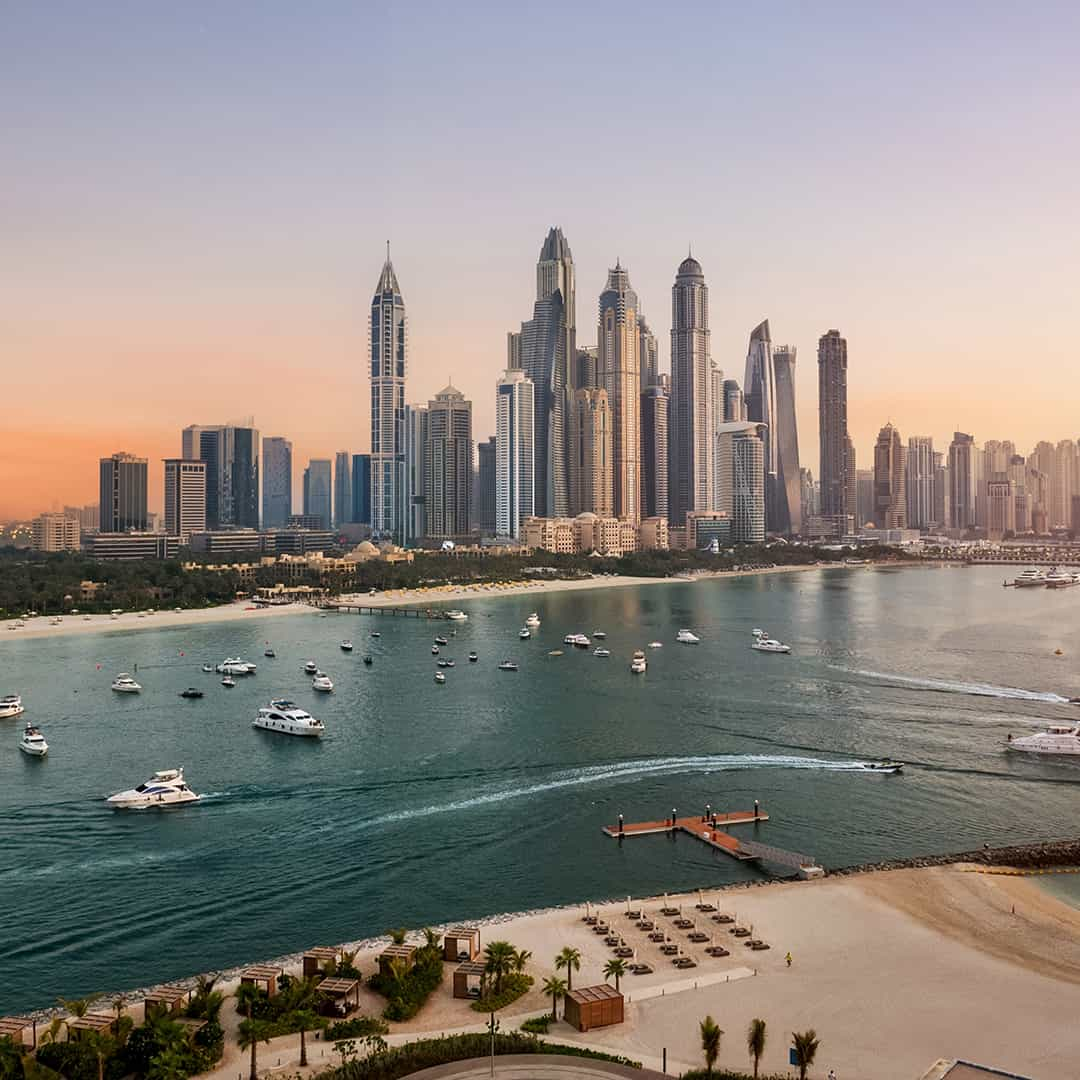
Join us at World Health Expo (WHX) in Dubai — where the world of healthcare meets. WHX connects the healthcare industry's leading researchers, developers, innovators, and professionals all in one place. Whether you're on the hunt for a new product or service, want to learn from world-renowned speakers, or expand your professional network, WHX in Dubai has everything you need to thrive in the Middle East's healthcare industry.