Subscribe to WHX Insights newsletter
Stay at the forefront of healthcare trends & innovations
WHX brings healthcare leaders together to connect, share insights, and build partnerships. Through interviews with industry pioneers, we spotlight visionaries shaping tomorrow's healthcare, and explore market trends, future horizons, and innovations.
Interview with Vefa İbrahim ARACI, Chairman of the Board, IKMIB
November 12, 2026
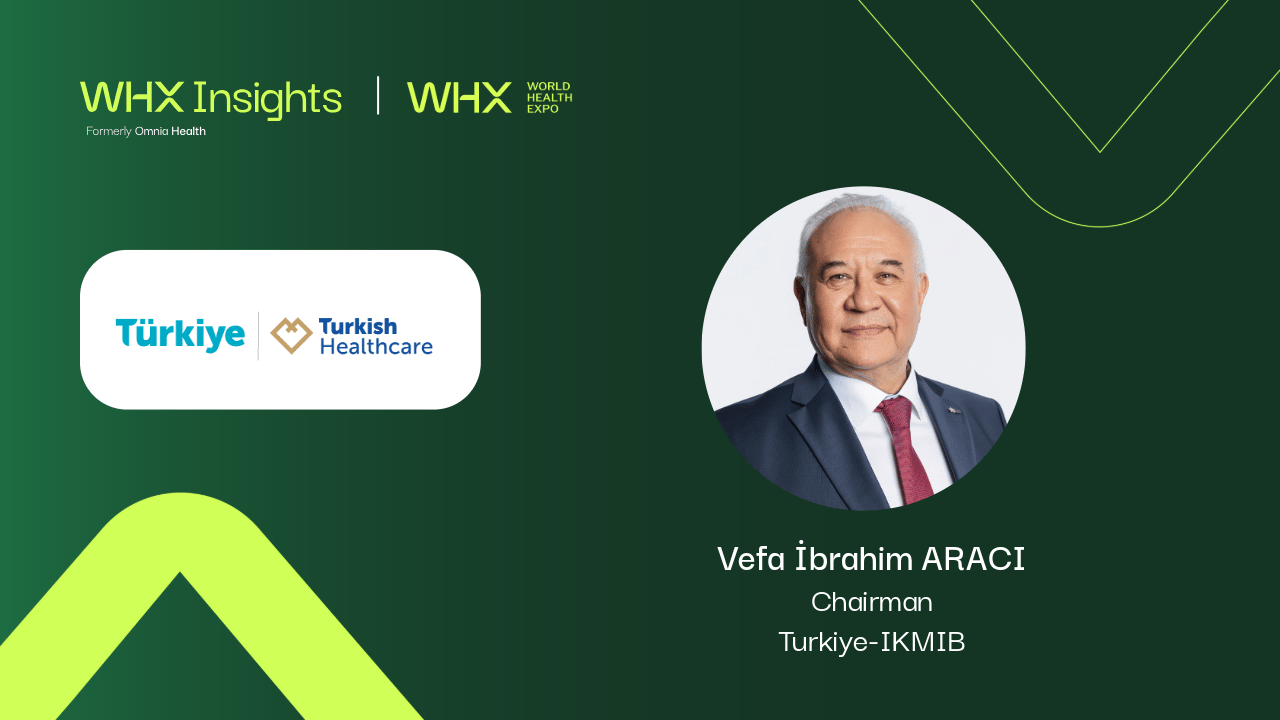
Born in İzmit in 1959, Vefa İbrahim Aracı graduated from the Science Department of İzmit Mimar Sinan High School. Aracı began his business career in the family company and laid the foundations of Koruma Group of Companies by establishing Klor Alkali Sanayi ve Ticaret A.Ş. in Derince in 1994. Operating in the chemical, agricultural, cleaning and logistics sectors, the group is among Türkiye’s 500 largest industrial enterprises.
Having played a role in the establishment of GEBKİM Organized Industrial Zone, Aracı is the Chairman of the Board of Directors of GEBKİM Organized Industrial Zone and Koruma Group of Companies. Aracı, who has been the Chairman of the Board of İKMİB since April 2026, is also a Member of the Board of Directors of TİSK, Chairman of the Assembly of the Kocaeli Branch of İMEAK Chamber of Shipping, and Vice President of KİPLAS. He supports sustainable production, clustering, education-industry collaborations and activities for social benefit.
1. Give us an overview of your organisation. What are your key activities and strategic focus within the healthcare sector, particularly across the GCC and MENA region?
As the Istanbul Chemicals and Chemical Products Exporters’ Association (İKMİB), we work to strengthen Türkiye’s production and export capabilities in the chemical industry, enhance the international competitiveness of our companies, and support high-value-added manufacturing. Healthcare is one of the strategic pillars of our activities. We prioritize facilitating access to global markets for our exporters operating in pharmaceuticals, medical devices, medical consumables, laboratory equipment, and healthcare technologies.
To this end, we connect our companies with international buyers and industry stakeholders through Türkiye Pavilion organisations at international trade fairs, sectoral trade missions, inward buyer missions, and business development activities. We also work to address regulatory and commercial issues that affect the sector’s access to international markets.
With its strong manufacturing infrastructure, skilled workforce, and ability to meet international quality standards, Türkiye is an important supplier of healthcare products. We regard the Gulf Cooperation Council (GCC) countries and the Middle East and North Africa (MENA) region as key growth markets, given their geographical proximity and expanding healthcare investments.
We see investments in healthcare infrastructure, growing demand for healthcare services, and the pursuit of international partnerships across the region as significant commercial opportunities for Turkish manufacturers. We place particular importance on developing sustainable trade relationships in these markets, facilitating market entry for products, and increasing the international visibility of the Turkish pharmaceutical and medical device industries. Our objective is to strengthen Türkiye’s position not merely as a product supplier, but as a manufacturing hub that develops high-value-added solutions.
2. What emerging trends and critical challenges do you believe are most significantly influencing the industry's trajectory in this region?
Technological advances, stronger manufacturing capacity, product quality, and supply reliability are becoming increasingly important to the development of the healthcare sector. In the GCC and MENA region in particular, we expect investment in modernizing healthcare infrastructure to drive demand for pharmaceuticals and medical devices, as well as the need for greater product diversity.
In the pharmaceutical sector, key trends include advances in biotechnology-based medicines and biosimilars, access to innovative treatments, expansion of manufacturing capacity, and security of medicine supply. Meanwhile, policies adopted by countries in the region to develop local pharmaceutical manufacturing and reduce dependence on imports are reshaping the conditions for international trade and competition.
At the same time, the sector faces significant structural challenges. Differences in regulatory requirements across countries, particularly in the authorization, product registration, and certification of pharmaceuticals and medical devices, can make access to international markets more difficult. In addition to the time and cost burdens associated with these processes, high R&D costs, the need for skilled personnel, and supply chain risks are important factors affecting competitiveness. Against this backdrop, the sector’s future must be assessed not only in terms of increased manufacturing capacity, but also technological capabilities, regulatory compliance, supply reliability, and innovation. At İKMİB, we support our member companies in adapting to these developments, enhancing their competitiveness in international markets, and strengthening their position in global value chains.
3. What is your strategic outlook for the healthcare sector over the next decade? How do you anticipate the industry will evolve?
Over the next decade, we believe competition in healthcare will be shaped not only by production volumes and costs, but also by product quality, innovation capacity, and supply reliability. Biotechnology-based medicines and emerging diagnostic and treatment technologies will become increasingly important to the sector’s development.
At the same time, diversifying supply chains, strengthening regional manufacturing hubs, and ensuring security of supply for strategic products will become growing priorities for healthcare systems worldwide.
For Türkiye, our priority is to complement our existing manufacturing strengths with higher-value-added products. Advancing domestic production in the pharmaceutical and medical device sectors, increasing R&D investment, and strengthening university–industry collaboration are particularly important.
We believe manufacturers that can meet international standards, develop their own technologies, and diversify their export markets will stand out in the years ahead. Technology partnerships, joint R&D activities, and long-term international industrial cooperation will play a decisive role in this transformation.
In this regard, we believe Türkiye’s existing industrial infrastructure, manufacturing experience, and geographical advantages offer considerable potential to strengthen its international competitiveness in pharmaceuticals and medical devices. We aim to help translate that potential into exports and reinforce the position of our companies in international markets.
4. What role does innovation play in your organisation’s strategic framework? Please elaborate on your R&D initiatives and share insights into any significant projects currently in development or recently launched.
We see innovation as one of the fundamental drivers of the international competitiveness of the Turkish pharmaceutical and medical device industries. We believe sustainable growth in healthcare depends not only on expanding manufacturing capacity, but also on focusing on R&D, technology, and high-value-added products.
Rather than conducting R&D and technology development directly, İKMİB focuses on strengthening the international competitiveness of companies in our sectors and developing their export potential.
Through our Türkiye Pavilion organisations at international trade fairs, trade missions, and sectoral information events, we support our companies in accessing new markets, establishing international business contacts, and keeping abreast of industry developments.
In pharmaceuticals and medical devices, we regard product development, improvements in manufacturing technologies, higher quality standards, and increased value-added production as key contributors to competitiveness. We therefore focus on promoting companies active in these areas in international markets and facilitating new business connections. Our primary objective is to contribute to more effective international promotion of the manufacturing and technological capabilities of the Turkish pharmaceutical and medical device industries, and to the sustainable growth of the sector’s exports.
5. How is your organisation integrating sustainability principles into your healthcare operations? If any, what specific initiatives have you implemented to minimise environmental impact and advance sustainable healthcare practices?
Our approach to sustainability centres on helping our exporting companies adapt to the green transition and raising awareness of evolving environmental requirements in international markets.
In this context, alongside training sessions organised by our Association on carbon and water footprints, waste management, and the green transition, we provide information on sustainability support mechanisms and developments in international environmental regulations.
In the pharmaceutical and medical device sectors, we emphasize improving resource efficiency and reducing environmental impacts while ensuring that this transformation does not compromise product safety or international quality standards.
We work to help our companies meet changing sustainability expectations and maintain their competitiveness in international markets.
6. What innovations or solutions is your organisation planning to present at WHX 2027? Are there any particular offerings you are especially excited to showcase and experience yourself?
We consider international events such as WHX extremely valuable platforms for presenting the manufacturing capabilities, product diversity, and export potential of the Turkish pharmaceutical and medical device industries to stakeholders worldwide.
In planning our Türkiye Pavilion participation, we have closely followed the decision to hold WHX Dubai 2027 across two exhibition venues and adapted our organisation accordingly. We will have a strong presence of Turkish companies at both Dubai World Trade Centre (DWTC) and Dubai Exhibition Centre (DEC). This will enable us to showcase the Turkish healthcare industry’s manufacturing strengths and broad product range more comprehensively to international visitors.
We attach great importance to ensuring that Türkiye’s diverse healthcare portfolio—including pharmaceuticals, over-the-counter (OTC) products, medical devices, diagnostic and laboratory technologies, and hospital equipment—is strongly represented at the exhibition. We believe that showcasing our exhibitors’ innovative products and manufacturing capabilities to international buyers will help foster new commercial partnerships. Our priority is to increase the international visibility of Turkish healthcare exporters, facilitate their access to new markets, and help them build long-term business partnerships.
During the exhibition, we particularly value opportunities to meet healthcare representatives from different countries and stay informed about current market needs and industry developments. It is also highly valuable for us to observe first-hand our exhibitors’ new products, the feedback they receive from international buyers, and the business connections they establish.
As in previous years, we believe WHX Dubai will make an important contribution to promoting the Turkish healthcare industry in international markets and fostering new business partnerships.
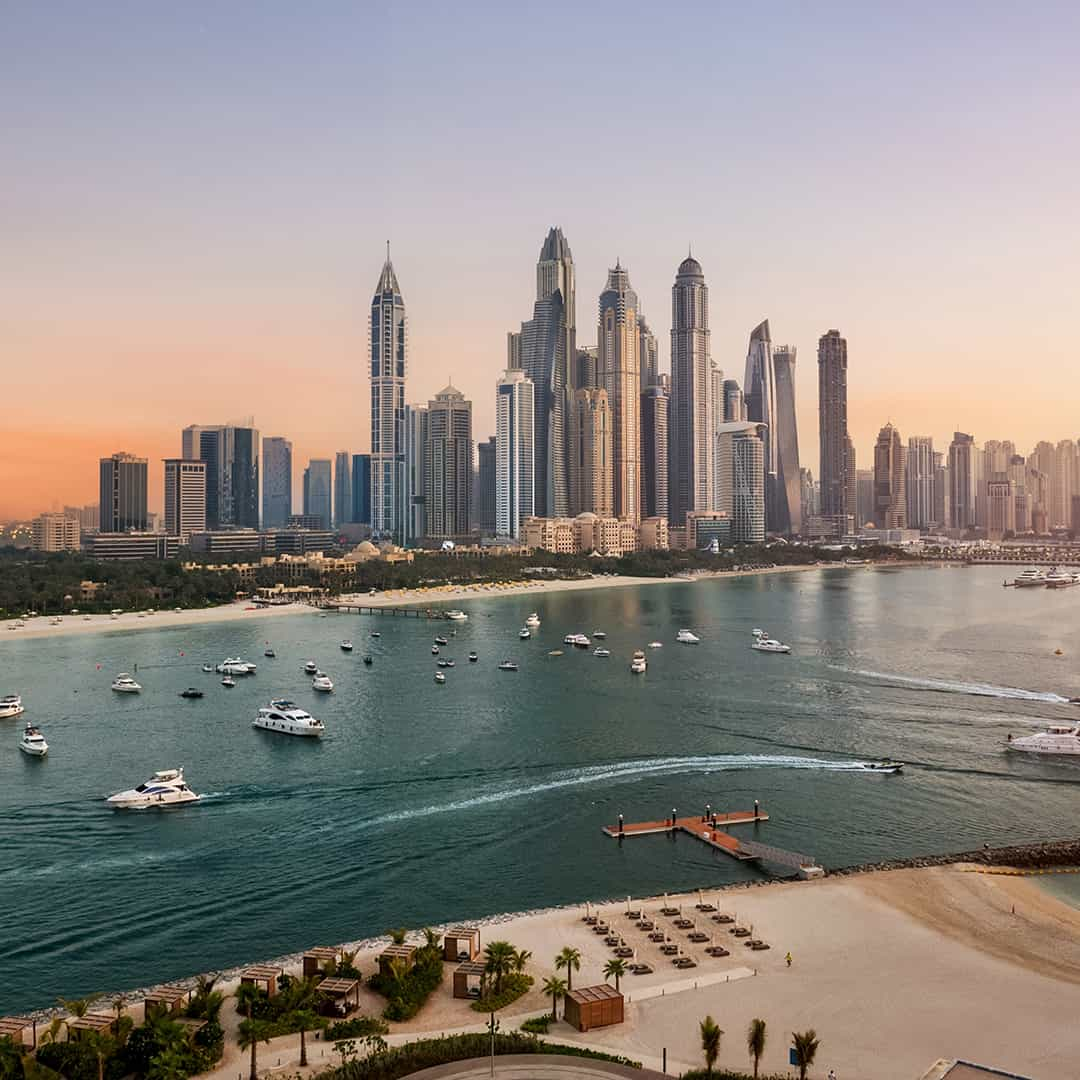
World Health Expo
Jan 25, 2027 TO Jan 28, 2027
|Dubai, UAE
Join us at World Health Expo (WHX) in Dubai — where the world of healthcare meets. WHX connects the healthcare industry's leading researchers, developers, innovators, and professionals all in one place. Whether you're on the hunt for a new product or service, want to learn from world-renowned speakers, or expand your professional network, WHX in Dubai has everything you need to thrive in the Middle East's healthcare industry.